HPV, or Human Papillomavirus, is a prevalent sexually transmitted infection that has touched the lives of nearly all sexually active individuals at some stage, often silently laying the groundwork for various cancers, including cervical cancer – the most common HPV-related cancer affecting women globally1. In 2019 alone, HPV was responsible for an astonishing 620,000 cancer cases among women and 70,000 among men, illustrating not just its pervasiveness but the urgent need for prophylactic vaccination, regular screenings, and treatment of precancerous lesions to mitigate these numbers1.
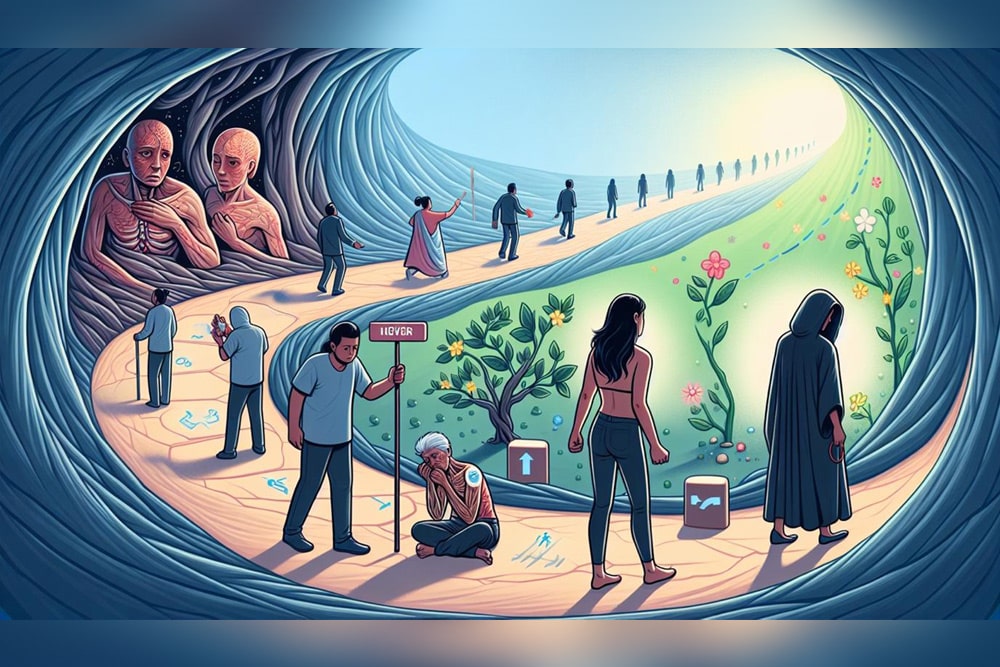
Understanding the journey of becoming a cancer survivor illuminates the critical intersections of physical health and emotional well-being, especially in the aftermath of HPV-related cancers. This article aims to inform and empower those affected, offering insight into the specifics of HPV-related cancer impacts and strategies for navigating the ‘new normal’ that combines managing physical problems and attending to emotional health post-recovery1. In navigating through this fabric of survivorship, from the mental health challenges to the physical aftermath, the intent is to provide a beacon of hope and a guide towards resilience for every cancer survivor, including those battling cervical cancer, breast cancer, and ovarian cancer1.
The HPV Cancer Battle: More Than Just Physical Healing
The battle against HPV-related cancers, such as cervical cancer, extends far beyond the confines of physical healing, necessitating a holistic approach to treatment that encompasses both conventional and alternative methodologies.
- Integrative Medicine Approaches: Leveraging Complementary and Alternative Medicine (CAM) alongside traditional treatments enhances the effectiveness of cervical cancer treatment. This includes the incorporation of natural, less invasive interventions whenever possible, acknowledging the unique genetic and epigenetic characteristics of individual cancers2. Such personalized treatment strategies are critical for achieving optimal outcomes.
- Nutritional and Natural Interventions:
- EGCG in Green Tea: Acts as a suppressor of HPV oncogenes, potentially reducing the risk of malignant lesions3.
- Vitamins and Minerals: The combination of folic acid, vitamin B12, and hyaluronic acid not only maintains the methylation of the HPV genome but also prevents virus entry, showcasing a promising therapeutic approach3.
- Dietary Considerations: A diet rich in beta-carotene and sufficient levels of folate and vitamin B12 is associated with a significantly lower risk of cervical intraepithelial neoplasia (CIN) and cervical cancer, respectively4.
- The Role of Oxidative Stress and Inflammation: Persistent HPV infections are linked to inflammatory responses and the production of reactive oxygen species (ROS), highlighting the importance of addressing oxidative stress through dietary and lifestyle changes to support cervical cell health5.
By understanding and implementing these multifaceted treatment and prevention strategies, individuals can navigate the complexities of HPV-related cancer battles more effectively, embracing a path that supports both physical and emotional healing.
Physical Aftereffects of HPV Cancer and Coping Strategies
Recovery from HPV cancer involves navigating a range of physical and emotional side effects. It’s crucial to understand these changes and adopt coping strategies to manage them effectively:
- Physical Aftereffects and Coping Strategies:
- Fatigue and Sleep Issues: Nearly all survivors experience fatigue, with energy levels typically returning 6-12 months post-treatment. To combat sleeping problems, establish a consistent sleep schedule, engage in regular exercise, and create a relaxing pre-sleep routine 9.
- Pain Management: Persistent pain can significantly impact daily life. Effective management may include analgesics, daily stretching, cognitive-behavior therapy, massage, and relaxation techniques to alleviate discomfort 9.
- Lymphoedema: This condition, characterized by swelling due to lymph fluid build-up, often occurs post-treatment. Management techniques include exercises, compression garments, and manual lymphatic drainage to reduce swelling 9.
- Emotional Well-being:
- Cancer-Related Cognitive Impairment: Challenges with concentration and memory can arise, potentially stemming from cancer, treatments, or associated mental health issues. Strategies for coping include cognitive exercises and seeking professional support 9.
- Adjusting to Physical Changes: Treatment can alter one’s appearance and bodily functions, affecting self-image and sexual health. Embracing these changes involves patience, focusing on the whole self, and open communication with partners about sexual needs and pleasure 9 10.
Incorporating complementary therapies such as acupuncture, mindfulness meditation, and art therapy can also play a significant role in managing side effects and enhancing emotional recovery 9.
The Emotional Rollercoaster Post-HPV Cancer
Navigating the emotional aftermath of surviving HPV cancer involves understanding and managing a spectrum of feelings that can significantly impact one’s mental and emotional well-being. Here are some key aspects to consider:
- Common Emotional Responses:
- Shock and Disbelief: Initially, many survivors find themselves in disbelief over their diagnosis and survival, struggling to accept their new reality 14.
- Fear and Anxiety: Concerns about cancer recurrence are prevalent, with survivors often interpreting every ache or pain as a potential sign of cancer returning 11. This anxiety can be overwhelming, affecting daily life and peace of mind.
- Depression and Social Withdrawal: Feelings of persistent sadness, emptiness, or hopelessness may indicate depression, a condition that affects 27 in 100 cancer survivors 15. This can lead to withdrawing from social activities and intimate relationships, further isolating the individual.
- Strategies for Emotional Recovery:
- Seeking Professional Help: Engaging with a psychotherapist or joining cancer survivors’ support groups can provide a safe space to express feelings and navigate through the emotional rollercoaster 15.
- Medication: In some cases, anti-anxiety or antidepressant medications may be prescribed to manage symptoms effectively 15.
- Holistic Approaches: Incorporating relaxation techniques, meditation, exercise, and creative activities can aid in managing anxiety and stress, fostering a sense of peace and emotional balance 16.
Understanding that the journey to emotional recovery is unique for every survivor is crucial. It’s important to allow oneself the time and space to grieve, seek support, and gradually find meaning in life post-cancer 16.
Navigating Emotional Recovery Post-Cancer
Navigating through the emotional recovery post-cancer requires a multifaceted approach, focusing on acknowledging feelings, seeking support, and fostering wellness. Here’s how to embark on this journey:
- Acknowledge and Grieve:
- Allow yourself time to grieve the changes cancer has brought into your life. Recognize the strength you’ve gained through your battle with cancer. Reflecting on these aspects can foster a sense of resilience and personal growth 11.
- Seek Support:
- Connect with other survivors and healthcare professionals to share experiences and strategies for managing ongoing health concerns. This network can provide invaluable support and understanding, helping you navigate the complexities of life post-treatment 19.
- Wellness and Reflection:
- Healthy Habits: Incorporate healthy living practices, including a balanced diet and regular exercise, to support physical recovery and emotional well-being 19.
- Complementary Therapies: Explore therapies such as meditation or yoga to clear your mind and enhance emotional recovery 19.
- Life Priorities: Take time to reflect on your life and priorities. Focus on meaningful relationships and activities that bring you joy and relaxation 19.
By embracing these strategies, you can gradually adjust to your new normal, finding peace and fulfillment in your post-cancer life.
Conclusion
Through this exploration of the multifaceted journey of HPV cancer survivors, we have uncovered the intricate balance between combating the physical manifestations of the disease and addressing the emotional upheaval that follows. The article has served as both an informative and empowering guide, illuminating the specifics of HPV-related cancers and emphasizing the importance of integrated approaches in treatment and coping strategies. Reflecting on the insights shared, it becomes clear that the road to recovery and adaptation post-HPV cancer is paved with resilience, informed choices, and the relentless pursuit of well-being, emphasizing not just survival but the quality of life retained and reclaimed.
As survivors navigate through their unique paths, the significance of comprehensive support systems and the adoption of holistic healing practices stand out as pillars of strength. This journey, fraught with challenges, also offers opportunities for personal growth, deeper connections, and a renewed perspective on life. By embracing the guidance offered, individuals affected by HPV-related cancers can find solace in knowing that there is a roadmap toward not just surviving but thriving, marking each step forward with hope and determination.
Liz McCaughey & AM Team
MsC., MoC. Member of: ACA, BACP
Further Articles like this:
Please refer to the AM articles page for Liz and the AM Team articles.
Please complete the AMindset intake form to start therapy with an AM team member. Our therapists offer a FREE 20-minute introductory session for new clients.
If you are not quite ready, please click here to subscribe to the AMindset Newsletter with articles and podcasts to learn more about your mental health and how AM can help you.
Disclaimer: This article is for informational purposes only and is not a substitute for professional medical advice, diagnosis, or treatment. Always seek the advice of your physician or qualified mental health provider with any questions you may have regarding a medical condition.

 : Executive Coach & Leadership Consultant