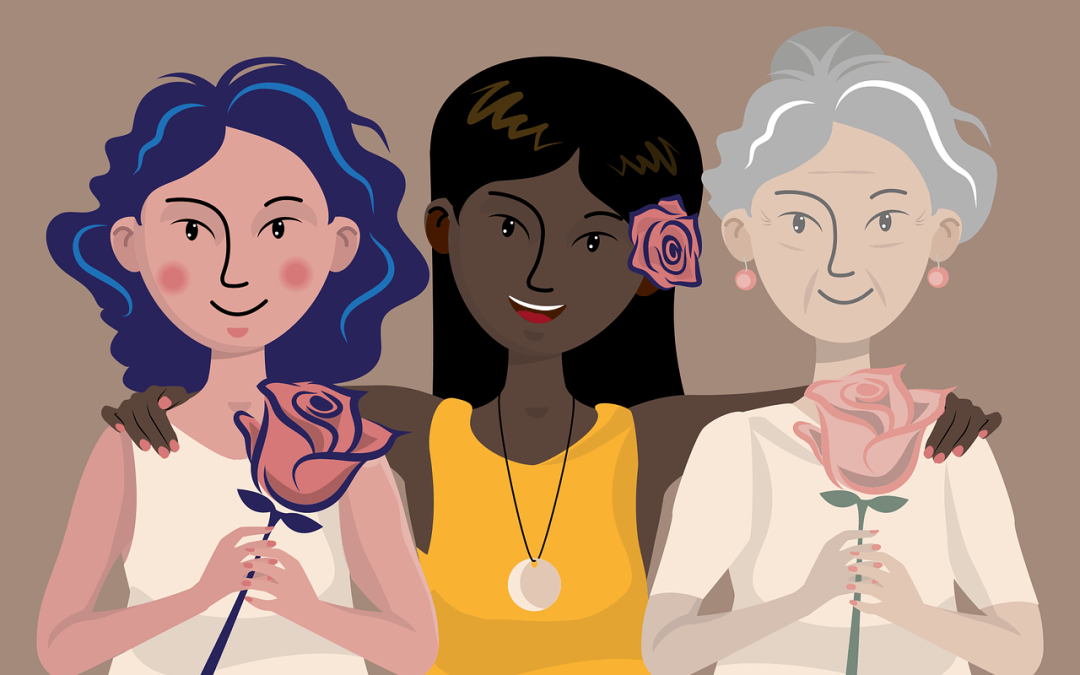
As a South Asian woman growing up in Hong Kong with fairly liberal parents, I am inspired by the journey toward liberation—not just for myself, but for my family and community. Therefore, on this International Women’s Day, I want to share how the pursuit of equity and empowerment can create a ripple effect, benefiting everyone around us. On this day, I also want to highlight the crucial role a partner plays in this journey—by actively supporting women in the workforce and at home, we can move towards a lifestyle where women don’t have to shoulder the burden of both career and family responsibilities alone.
Growing up in a vibrant city like Hong Kong, I was fortunate to be surrounded by diverse cultures and progressive ideals. My parents instilled in me the values of independence and ambition, encouraging me to pursue my dreams without the constraints often imposed on women in traditional Indian society. Yet, as I stepped into the professional world, I came to understand that achieving gender equity is a collective effort.
Even in a cosmopolitan environment, the echoes of patriarchy lingered. I witnessed how men often dominated discussions while women struggled to be heard. This disparity highlighted the importance of advocating for change that recognizes individual circumstances and needs. When we focus on equity—providing each person with the support and opportunities they require to thrive—families and communities flourish together.
Embracing my role as a woman, mother, and wife, I see how my success contributes to the well-being of my family. When I pursue my aspirations and break through barriers, I set an example for my children. I want them to understand that their dreams are valid, regardless of gender. This shared journey toward liberation acted as an inspiration to my husband too. He was raised to believe the financial burden was solely his problem; however by sharing that burden it opened up opportunities to explore his interests and goals, reinforcing the idea that equity benefits everyone.
While my parents fostered a liberal outlook, cultural expectations still existed. Friends and relatives would often ask about my plans for marriage and family, but realising that these conversations could be reframed and discussing my ambitions openly, helped me shift the narrative from traditional roles to a celebration of shared responsibilities and aspirations within the family.
Working in a female-dominated profession has been a transformative experience for me. In this environment, I found that I didn’t have to make excuses for prioritizing my family and children. Flexibility and understanding were woven into our workplace culture, allowing me to balance my professional responsibilities with the vital need for quality time with my loved ones.
This supportive atmosphere meant that when I needed to attend a school event or take care of family matters, my colleagues and supervisors understood. There was no stigma attached to being a parent; rather, it was celebrated as part of our shared experience. This sense of community reinforced my belief that when women support one another in their professional journeys, everyone benefits.
Gender equity takes a significant step forward in Nordic countries, where paternity leave policies encourage fathers to take time off for childcare. The “use it or lose it” approach ensures that if fathers don’t take their allotted leave, it’s forfeited—fostering responsibility and normalizing their role in early parenting. When fathers are actively involved, children learn to seek comfort from both parents, breaking down traditional gender roles and strengthening family bonds.
In my community, I’ve seen how including fathers in playdates and family activities helps them feel more engaged while reassuring them that their children won’t be left out. This visible participation reinforces the idea that parenting is a shared responsibility.
I noticed stark cultural contrasts while studying in America and growing up in Hong Kong. Unlike Nordic countries, I was exposed to a lack of strong parental leave policies, often forcing women to choose between career advancement and societal expectations of motherhood. Limited support and childcare options push many mothers out of the workforce, perpetuating economic disparities.
True equity means recognizing that support should be tailored to individual needs. While I may require flexibility for family commitments, my male colleagues might need resources to take a more active parenting role. By embracing these differences, we foster a workplace where everyone can thrive. By sharing experiences and strategies for overcoming bias, building a network of supportive men and women will allow us to create a culture of solidarity that benefits not just our workplaces but also our families and communities.
On this International Women’s Day, I celebrate my journey as an South Asian woman raised in a liberal environment, navigating the complexities of a patriarchal society. As I navigate my career, I am committed to advocating for changes that promote gender equity, ensuring that every voice is valued and supported. My parents introduced me to role models—strong women excelling in their fields and men championing equity—reinforcing that success is not defined by gender. Now, I strive to instill the same values in my children, inspiring them to envision a future built on collaboration and mutual respect.
Monisha Dadlani & AM Team
MsC., MoC. Member of: ACA, BACP
Please refer to the AM articles page for Monisha and the AM Team articles.
Please complete the AMindset intake form to start therapy with an AM team member. Our therapists offer a FREE 20-minute introductory session for new clients.
If you are not quite ready, please click here to subscribe to the AMindset Newsletter with articles and podcasts to learn more about your mental health and how AM can help you.
Disclaimer: This article is for informational purposes only and is not a substitute for professional medical advice, diagnosis, or treatment. Always seek the advice of your physician or qualified mental health provider with any questions you may have regarding a medical condition.

 : Executive Coach & Leadership Consultant