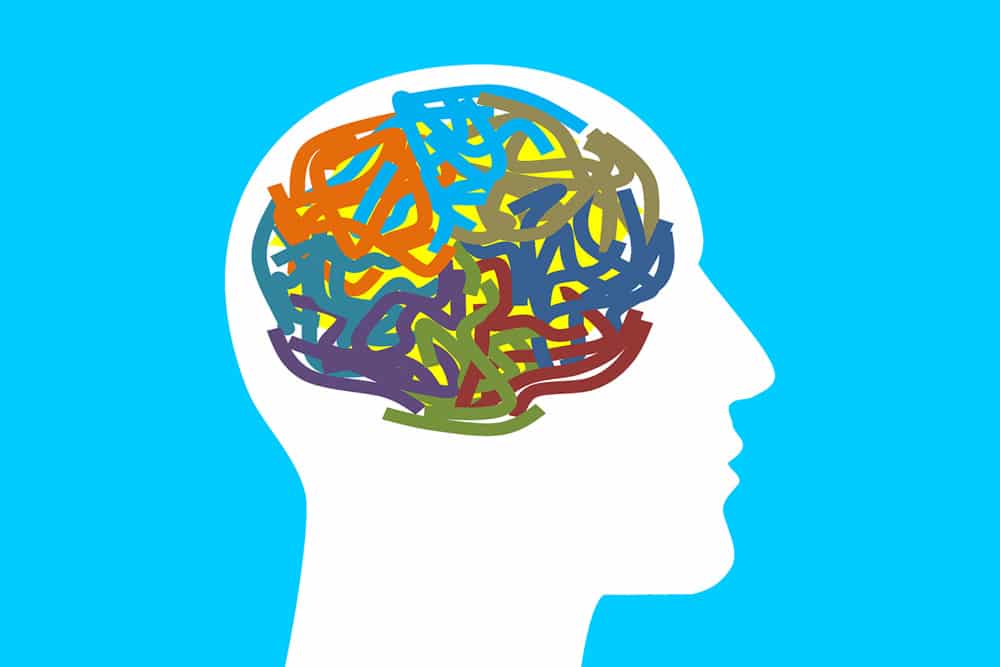
In today’s rapidly evolving world, neuroscience is a powerful tool that reshapes society’s understanding of mental health. With breakthroughs in technology and research, scientists are unravelling the complexities of the human brain like never before. The implications are profound, as this newfound knowledge has the potential to revolutionize how we approach mental health issues.
The Role of Neuroscience in Understanding Mental Health
The Traditional View of Mental Health
For centuries, mental health has been viewed through the lens of personal weakness or character flaws. Society often stigmatized individuals struggling with mental health issues, perpetuating the belief that they were simply not strong enough to overcome their challenges. This view created a barrier for those seeking help, discouraging them from seeking treatment due to the fear of judgment and shame.
The Limitations of the Traditional View
The traditional view of mental health failed to consider the complex interplay of biology, genetics, and environment in the development of mental disorders. It neglected to recognize that mental health issues were not solely a matter of personal choice or willpower but rather rooted in a combination of genetic predispositions, chemical imbalances, and traumatic experiences.
The Emergence of Neuroscience in Mental Health Research
In recent decades, the field of neuroscience has made significant strides in unravelling the mysteries of the human brain. Advanced imaging techniques such as functional magnetic resonance imaging (fMRI) and positron emission tomography (PET) scans have enabled researchers to study brain activity in real time, providing valuable insights into the neural processes underlying mental health disorders.
Neuroscience research has shown that mental health conditions such as depression, anxiety, and schizophrenia are associated with specific patterns of brain activity and neurotransmitter imbalances. By examining these physical and chemical processes, scientists are gaining a deeper understanding of the root causes of these conditions. This knowledge is crucial for developing targeted interventions and personalized treatment approaches.
How Neuroscience is Reshaping Our Understanding of Mental Health
Neuroscience is challenging the notion that mental health issues are solely a result of personal weakness or character flaws. Uncovering the biological underpinnings of mental disorders is shifting the focus towards a more empathetic and evidence-based approach to mental health care.
The research has shown that individuals with mental health conditions have structural and functional differences in their brains compared to those without such conditions. For example, studies have identified reduced hippocampal volume in individuals with depression, suggesting an association between this brain region and the development of depressive symptoms.
Additionally, neuroscience has shed light on the role of neurotransmitters such as serotonin, dopamine, and norepinephrine in mental health disorders. Imbalances in these neurotransmitters can affect mood regulation, leading to conditions like depression and anxiety. Understanding these underlying mechanisms is vital for developing targeted interventions, such as medication and therapy, to restore neurotransmitter balance.
The Impact of Neuroscience on Treatment Approaches
The integration of neuroscience into mental health research has paved the way for more effective treatment approaches. By identifying specific neural circuits and neurotransmitter systems involved in mental health disorders, researchers can develop targeted interventions that address the underlying biological mechanisms.
For example, selective serotonin reuptake inhibitors (SSRIs) are commonly prescribed antidepressant medications that work by increasing the availability of serotonin in the brain. This approach is based on the understanding that depression is associated with reduced serotonin levels. By targeting the specific neurotransmitter involved, SSRIs help restore the balance and alleviate depressive symptoms.
Neuroscience has also facilitated the development of innovative therapies such as transcranial magnetic stimulation (TMS) and deep brain stimulation (DBS). These non-invasive and minimally invasive techniques use magnetic fields or electrical currents to stimulate specific brain regions associated with mental health disorders. By directly modulating neural activity, these therapies can alleviate symptoms and improve overall well-being.
Controversies and Debates Surrounding Neuroscience and Mental Health
While neuroscience has brought about significant advancements in understanding mental health, it is not without its controversies and debates. Some critics argue that reducing mental health issues to purely biological factors overlooks the complex interplay of social, cultural, and environmental factors that contribute to mental well-being.
Others question the reliability and validity of neuroimaging techniques, highlighting the potential for misinterpretation and overgeneralization of findings. They argue that brain scans should not be used as the sole basis for diagnosis or treatment decisions, as they may not fully capture the complexity of mental health disorders.
The Future of Neuroscience in Mental Health
Despite the controversies, the future of neuroscience in mental health holds immense promise. As technology continues to advance, researchers will gain access to even more sophisticated tools and techniques for studying the brain. This will enable a deeper understanding of the intricate neural networks and molecular processes involved in mental health disorders.
The integration of neuroscience with other disciplines such as psychology and sociology will also be crucial in developing a comprehensive and holistic approach to mental health care. By considering the biological, psychological, and social factors that contribute to mental well-being, we can develop interventions that address the multifaceted nature of mental health disorders.
Integrating Neuroscience and Traditional Approaches
Rather than viewing neuroscience as a replacement for traditional approaches to mental health, it should be seen as a complementary tool. By integrating the insights from neuroscience with the knowledge gained from psychology, counselling, and therapy, we can create a more comprehensive and personalized approach to mental health care.
This integration can help bridge the gap between the scientific community and society, destigmatizing mental health through evidence-based education and awareness. By promoting a better understanding of the biological underpinnings of mental health disorders, we can foster empathy and support for individuals struggling with these conditions.
Conclusion: The Potential of Neuroscience in Transforming Mental Health
Neuroscience is transforming how society understands mental health by providing valuable insights into the biological underpinnings of mental disorders. This newfound knowledge is challenging the traditional view of mental health as solely a matter of personal weakness or character flaw.
As neuroscience continues to advance, it has the potential to revolutionize mental health care by enabling targeted interventions and personalized treatment approaches. By integrating neuroscience with traditional approaches, we can develop a comprehensive understanding of mental health that considers biological, psychological, and social factors.
The future holds great promise for neuroscience in mental health, and it is up to us to embrace these advancements and work towards a society that supports and empowers individuals struggling with mental health issues. Together, we can create a world where mental health is understood, destigmatized, and effectively treated.
Liz McCaughey & AM Team
MsC., MoC. Member of: ACA, BACP
Further Articles like this:
Please refer to the AM articles page for Liz and the AM Team articles.
Please complete the AMindset intake form to start therapy with an AM team member. Our therapists offer a FREE 20-minute introductory session for new clients.
If you are not quite ready, please click here to subscribe to the AMindset Newsletter with articles and podcasts to learn more about your mental health and how AM can help you.
Disclaimer: This article is for informational purposes only and is not a substitute for professional medical advice, diagnosis, or treatment. Always seek the advice of your physician or qualified mental health provider with any questions you may have regarding a medical condition.

 : Executive Coach & Leadership Consultant