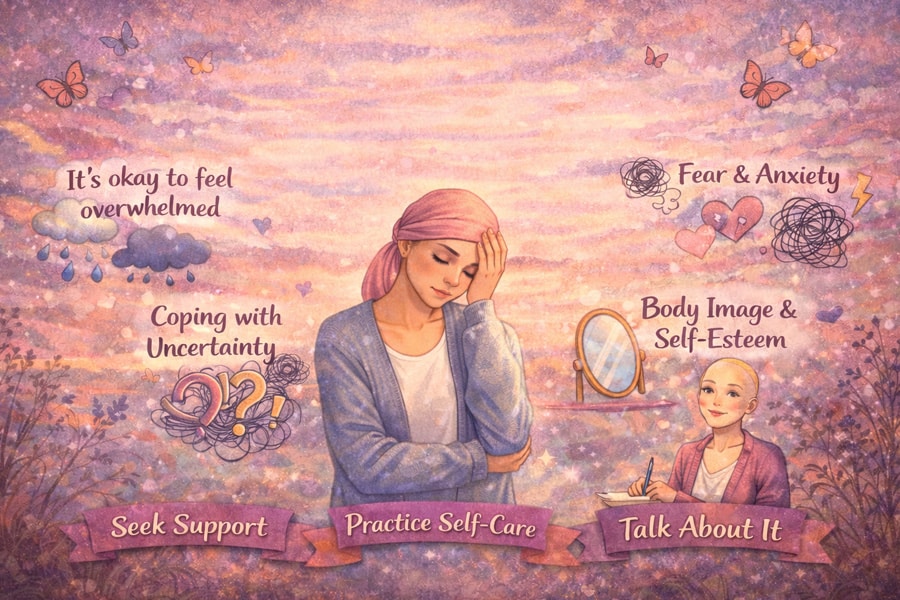
Cancer, an unforgiving adversary, affects not only the body but also takes a significant emotional toll on those diagnosed and their loved ones. It is a journey fraught with uncertainty, fear, and an overwhelming wave of emotions. As we delve into the intricacies of this experience, it’s crucial to acknowledge the emotional toll of cancer, a reality often overshadowed by the physical aspects of the disease.
Emotions such as anxiety, grief, and despair can become constant companions. The mere thought of a diagnosis can send shockwaves through one’s mental and emotional state, leading to feelings of helplessness and vulnerability. This emotional burden, if left unaddressed, can impede recovery and quality of life, making it imperative to recognise and address these feelings head-on.
Our understanding of cancer’s emotional toll is deepened by recognising that each individual’s journey is unique. Everyone processes emotions differently, and the support systems they require may vary. By acknowledging this diversity, we can better tailor our approaches to provide compassionate and effective support, ensuring that no one feels alone in their struggle.
The Importance of Acknowledging Emotional Struggles
Failing to recognise emotional struggles can exacerbate the challenges faced by cancer patients and their families. Acknowledging emotional distress is not a sign of weakness but rather an essential step in the healing process. By bringing these issues to light, we help individuals to confront their fears and anxieties, fostering a more resilient mindset.
Emotional struggles often manifest in various forms, from sleepless nights plagued with worry to feelings of isolation and sadness. When we choose to confront these issues, we open the door to healing and growth. This acknowledgement catalyses seeking help and building a network of support that can provide comfort and understanding.
By fostering an environment where emotional struggles are openly discussed, we can begin to dismantle the stigma that often surrounds mental health issues. Encouraging open conversations not only helps those directly affected but also educates others, promoting a culture of empathy and acceptance. In this way, we contribute to creating a community of people who support one another in the face of adversity.
Coping Strategies for Anxiety and Grief
Navigating the labyrinth of emotions that accompany a cancer diagnosis requires effective coping strategies. Anxiety and grief, two powerful emotions, can be particularly challenging to manage. However, by exploring coping strategies for anxiety and grief, individuals can find a path toward emotional stability and resilience.
- Mindfulness and Meditation: Incorporating mindfulness practices into daily routines can significantly reduce anxiety levels. Techniques such as deep breathing, meditation, and guided imagery help ground individuals in the present moment, allowing them to release tension and regain control over their thoughts.
- Counselling and Support Groups: Engaging in therapy or joining support groups provides a safe space to express feelings and gain insights from others who have faced similar challenges. These interactions can offer solace and validation, reinforcing the notion that one is not alone in their experience.
- Creative Outlets: Art, music, and writing serve as powerful tools for emotional expression. Engaging in creative activities can facilitate the processing of complex emotions, providing an avenue for healing and self-discovery.
By adopting these strategies, individuals can better navigate the emotional challenges posed by cancer, transforming anxiety and grief into opportunities for growth and self-awareness.
Support for Caregivers: Recognising Their Challenges
Caregivers, the often quiet supporters in the cancer treatment or healing process, face their own set of unique challenges. Providing support for caregivers is vital, as their emotional well-being has a direct impact on the quality of care they can offer. Recognising and addressing their needs ensures they remain strong pillars of support for their loved ones.
The emotional toll on caregivers is often underestimated. Balancing caregiving responsibilities with personal and professional obligations can lead to stress, burnout, and feelings of inadequacy. By acknowledging these challenges, we can equip caregivers with the necessary resources and support to thrive.
Support networks, respite care, and counselling services are invaluable to caregivers. These resources offer them the chance to recharge and reconnect with their own needs, enabling them to provide compassionate care without sacrificing their own well-being. By emphasising caregivers’ mental health, we create a more sustainable and encouraging environment for everyone involved.
The Power of Shared Experiences in Healing
In the face of adversity, shared experiences can be a potent catalyst for healing. The power of shared experiences in healing lies in the connections formed through mutual understanding and empathy. By sharing stories of resilience and triumph, we inspire hope and cultivate a sense of community.
When individuals come together to share what they are going through, they create a tapestry of support that transcends the challenges of cancer. These connections serve as a reminder that no one is alone in their struggle, and that strength can be found in opening up and showing vulnerability. Through storytelling, we celebrate the small victories and honour the struggles, contributing to an environment where healing can happen.
Moreover, shared experiences promote a sense of belonging. For many, the feeling of isolation can be overwhelming. By engaging with others who have faced similar trials, individuals can find solace and strength in their shared humanity. These connections not only provide emotional support but also authorise individuals to face their challenges with renewed courage.
Educational Content on Mental Health and Cancer
Education plays a pivotal role in demystifying the emotional aspects of cancer. By providing educational content on mental health and cancer, we empower individuals to make informed decisions about their emotional well-being. Knowledge is a formidable tool in combating fear and uncertainty.
Educational materials that address the psychological impact of cancer can be vital resources for patients, survivors, and caregivers alike. By understanding the emotional toll of cancer, patients, caregivers and family members can better prepare for the challenges ahead and develop effective coping strategies. This knowledge fosters a proactive approach to mental health, encouraging individuals to seek help and embrace self-care. On their website, the University of California San Francisco (UCSF) gives a reading list with a fantastic collection of books that deal with psycho-oncological topics, many of them written by cancer survivors. Other resources can be found there as well.
Workshops, seminars, and online courses dedicated to mental health education can further enhance understanding and awareness. Platforms such as MacMillan Cancer Support (UK) or the Hong Kong Cancer Fund provide opportunities for learning and growth, enabling individuals to work through their emotional process with confidence and to build up resilience. By investing in education, we lay the groundwork for a more compassionate and informed community.
Encouraging Proactive Steps: Seeking Support and Practising Self-Care
Taking proactive steps in addressing mental health is crucial for anyone touched by cancer. Encouraging proactive steps such as seeking support and practising self-care equips individuals with tools to manage their emotional well-being effectively. It is an act of empowerment that fosters resilience and healing.
- Seeking Professional Help: Engaging with mental health professionals can provide valuable insights and strategies for managing emotional distress. Therapists and counsellors offer guidance and support, helping individuals navigate their emotions and build coping mechanisms.
- Building a Support Network: Surrounding oneself with a supportive network can alleviate feelings of isolation and provide a sense of community. Friends, family, and support groups offer encouragement and understanding, reinforcing the importance of human connection.
- Prioritising Self-Care: Engaging in activities that nurture the mind, body, and spirit is essential for emotional well-being. Whether it’s taking a walk, reading a book, or practising yoga, self-care activities provide an opportunity for relaxation and rejuvenation.
By taking these proactive steps, individuals can take charge of their mental health, fostering a sense of control and authority in the face of uncertainty.
Fostering Open Conversations About Mental Health
Creating an environment where open conversations about mental health are encouraged is vital for dismantling stigma and creating understanding. By engaging in open conversations about mental health, we create a space where individuals feel safe to express their feelings and seek support without judgment.
Open dialogue allows individuals to share their experiences, fears, and triumphs, creating a community built on empathy and compassion. These conversations can lead to increased awareness and understanding, paving the way for more inclusive and supportive environments.
Moreover, open conversations challenge the stigma that often still surrounds mental health, they can help normalise discussions that were once considered taboo. By breaking down these barriers, we contribute to a culture that values emotional well-being as an integral part of overall health. This shift in perspective can lead to more proactive approaches to mental health care, benefiting individuals and communities alike.
Normalising Mental Health Discussions in the Cancer Community
Within the cancer community, normalising mental health discussions is essential for holistic healing. When we do this, we ensure that emotional well-being is prioritised alongside physical health, leading to more comprehensive care for patients and caregivers.
When mental health is openly discussed, it can become an integral part of the healing process. Patients and caregivers are encouraged to address their emotional needs, leading to improved outcomes and overall well-being. This normalisation fosters an environment of acceptance and understanding, where individuals feel encouraged to seek help and support.
Educational initiatives, support groups, and community events can play a significant role in promoting these discussions. By integrating mental health as a core component of cancer care, we create a more holistic approach that addresses the needs of the whole person, not just the disease.
Empowering Resilience and Emotional Wellness for Patients and Caregivers
Focusing on resilience and emotional wellness is crucial for both patients and caregivers who are dealing with cancer and fighting it. Strengthening resilience and emotional wellness involves equipping individuals with the tools and support they need to thrive in the face of adversity.
Resilience is the ability to bounce back from challenges and setbacks. By deliberately cultivating it, we enable individuals to face the emotional toll of cancer with strength and determination. This is achieved through education, support networks, and investing in a positive mindset.
Emotional wellness, on the other hand, involves maintaining a balanced and healthy emotional state. By prioritising emotional wellness, individuals can manage stress, cope with challenges, and maintain a sense of purpose and fulfilment. This holistic approach to well-being ensures that both patients and caregivers are receiving well-rounded support.
Conclusion: Moving Forward Together
As we move forward, it’s crucial to recognise the emotional impact of cancer and acknowledge mental health as a key aspect of the healing process. By adopting a holistic approach that addresses the specific challenges faced by patients and caregivers, we can cultivate a community rooted in empathy, understanding, and resilience.
Through education, support, and open dialogue, we create an environment where emotional wellness is celebrated and prioritised. Let us continue to advocate for mental health awareness, encouraging proactive steps such as seeking support and practising self-care. Together, we can build a future where mental health is recognised as a vital part of overall wellness. By taking proactive steps, we can equip individuals to confront the challenges of cancer with more resilience. Let’s commit to supporting the emotional well-being of everyone affected by cancer, working collaboratively towards hope and healing.
Call to Action: If you or someone you know is navigating the emotional challenges of cancer, reach out for support. Join a support group, connect with a mental health professional, or lean on your community. Remember, you are not alone. Together, we can contribute to https://www.cancer-fund.org/en/a future where mental health considerations are an integral part of every discussion about cancer treatment. Let’s work collaboratively toward a healthier tomorrow.

 : Executive Coach & Leadership Consultant