Understanding Pregnancy Anxieties: Common Concerns Among Expectant Mothers
Pregnancy is a transformative journey filled with excitement, anticipation, and sometimes anxiety. As expecting mothers, we often find ourselves grappling with various concerns that can affect our mental well-being. Understanding these anxieties is the first step toward effectively managing them. Common problems include the health and development of the baby, changes in lifestyle, and the impending responsibilities of parenthood. Each of these worries can create a significant emotional burden.
Pregnancy anxieties are not uncommon and can manifest in different ways, such as feelings of fear, stress, or overwhelm. These emotions may stem from previous experiences or the fear of the unknown. It’s natural to have concerns, but it’s crucial to recognise when these worries begin to interfere with our daily lives. By acknowledging these feelings, we can take proactive steps to address them.
We need to remember that anxiety during pregnancy is a shared experience for many women. By talking openly about our fears, we can normalise these feelings and seek out the support we need. Understanding that we’re not alone in this journey is comforting and can significantly reduce the weight of our worries.
The Impact of Body Image on Mental Well-being During Pregnancy
Body image concerns are another significant source of anxiety for expectant mothers. As our bodies undergo profound changes, we may struggle with self-esteem and acceptance. Society often places unrealistic expectations on pregnant women, creating pressure to maintain an ideal body image. This pressure can lead to stress, which in turn affects our mental well-being.
The transformation our bodies undergo is a natural and beautiful part of the pregnancy journey. However, it’s essential to differentiate between societal expectations and the realities of pregnancy. Embracing these changes and focusing on the miracle of life can help shift our perspective from anxiety to acceptance. Positive affirmations and self-compassion are practical tools in fostering a healthy body image.
Engaging in open conversations with healthcare providers, friends, and loved ones about body image concerns can be incredibly beneficial. By normalising these discussions, we can foster a supportive environment that encourages acceptance and understanding. Celebrating our bodies for their remarkable ability to nurture life is a vital step in promoting mental well-being.
The Importance of Self-Care for Pregnant Women
Self-care is an essential component of maintaining mental well-being during pregnancy. As expecting mothers, we often prioritise the needs of others over our own. However, neglecting self-care can lead to increased stress and anxiety. Incorporating self-care practices into our daily routine can enhance our emotional and physical wellness.
Self-care is not a luxury but a necessity, especially during pregnancy. Simple activities like taking a warm bath, practising mindfulness, or enjoying a hobby can significantly impact our mental health. It’s essential to carve out time for ourselves, even amidst the demands of daily life. These moments of self-care can provide the respite we need to recharge and refocus.
Involving our partners and family in our self-care journey can also be beneficial. By sharing our needs and encouraging their participation, we can create a supportive network that prioritises our well-being. Remember, by taking care of ourselves, we are better equipped to care for our growing families.
Educational Content: Addressing Mental Health During Pregnancy
Education plays a crucial role in addressing mental health concerns during pregnancy. Access to accurate and reliable educational content can empower us to make informed decisions about our mental well-being. By understanding the psychological aspects of pregnancy, we can better manage the emotions and anxieties that arise during this time.
Educational resources, such as books, online courses, and workshops, can provide valuable insights into managing pregnancy-related stress. These resources often offer practical strategies for coping with anxiety and fostering resilience. By equipping ourselves with knowledge, we can approach our pregnancy journey with confidence and clarity.
Healthcare professionals, including obstetricians and mental health specialists, can also offer valuable guidance. Regular consultations and open discussions about mental health help identify potential issues early on. By proactively seeking out educational content and professional advice, we can prioritise our mental well-being throughout pregnancy.
Proactive Steps: Seeking Support and Building a Support Network
Building a robust support network is instrumental in managing pregnancy anxieties. Seeking support from family, friends, and healthcare professionals can provide the reassurance and guidance we need to navigate life’s challenges. By surrounding ourselves with a community of understanding individuals, we can navigate the challenges of pregnancy more effectively.
A support network can offer practical assistance, emotional support, and a listening ear. Whether it’s attending prenatal classes, joining support groups, or simply sharing our experiences, these connections can alleviate feelings of isolation. It’s essential to communicate our needs and expectations to our support network to ensure we receive the appropriate assistance.
In addition to personal connections, professional support is invaluable. Engaging with mental health professionals can provide tailored strategies for managing anxiety and stress. Regular therapy sessions or counselling can offer a safe space to explore our feelings and develop coping mechanisms. By taking proactive steps to build a support network, we can foster a sense of community and empowerment.
Practising Self-Care: Strategies for Emotional and Physical Wellness
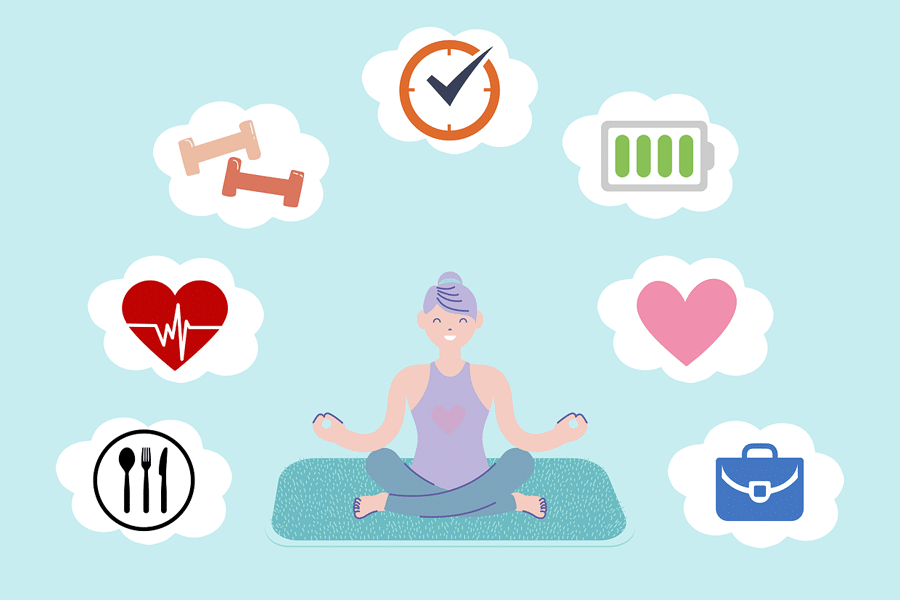
Practising self-care is a multifaceted approach that encompasses both emotional and physical wellness. By integrating self-care strategies into our daily routine, we can enhance our overall well-being and reduce pregnancy-related anxieties. Tailoring self-care practices to our individual needs ensures that we address both emotional and physical aspects of our well-being.
Emotional Self-Care Strategies:
- Mindfulness and Meditation: Incorporating mindfulness practices can help us stay present and manage stress.
- Journaling: Writing down our thoughts and feelings can provide clarity and emotional release.
- Creative Expression: Engaging in creative activities, such as painting or music, can be a therapeutic experience.
Physical Self-Care Strategies:
- Regular Exercise: Gentle activities, such as prenatal yoga or walking, can help boost mood and physical health.
- Balanced Nutrition: A healthy diet supports both physical health and mental clarity.
- Adequate Rest: Prioritising sleep and relaxation is crucial for maintaining energy levels.
By practising these self-care strategies, we can create a holistic approach to managing our mental and physical wellness. Self-care is a personal journey, and it’s essential to find activities that resonate with us and bring joy.
Fostering Open Conversations: Normalising Mental Health Discussions
Normalising mental health discussions is vital in reducing the stigma associated with pregnancy anxieties. By fostering open conversations, we can create an environment where expectant mothers feel comfortable sharing their experiences and seeking support. Open dialogue encourages empathy and understanding, promoting mental wellness.
Discussing mental health openly can be initiated within our circles and extended to broader communities. Engaging in conversations with family members, friends, and healthcare providers can provide diverse perspectives and support. Social media platforms and online forums also offer opportunities to connect with others facing similar challenges.
Educational campaigns and community initiatives can further promote mental health awareness. By participating in or organising events that focus on mental wellness, we can contribute to a culture of acceptance and support. Normalising these discussions is a collective effort that requires empathy, patience, and a willingness to listen and learn.
Empowering Expectant Mothers: Building Resilience and Emotional Wellness
Empowerment is a powerful tool in promoting resilience and emotional wellness among expectant mothers. By focusing on our strengths and resources, we can build confidence and navigate the challenges of pregnancy with assurance. Empowerment involves recognising our capabilities and embracing the support available to us.
Building resilience begins with self-awareness and self-compassion. Understanding our emotional triggers and responses allows us to develop coping strategies. Embracing positive affirmations and setting realistic goals can reinforce our sense of empowerment. Additionally, seeking out learning opportunities and developing new skills can enhance our confidence.
Community involvement and peer support are also integral to empowerment. Connecting with other expecting mothers and sharing experiences can provide encouragement and inspiration. By lifting each other up, we can create a supportive environment that fosters resilience and emotional wellness. Empowerment is a journey that requires courage, perseverance, and an open heart.
Resources for Mental Health Support During Pregnancy
Access to mental health resources is essential for expecting mothers seeking support. Numerous organisations and platforms offer assistance tailored to pregnancy-related mental health concerns. These resources offer guidance, education, and support to help individuals manage their anxieties effectively.
Key Resources:
- National Health Services (NHS): Offers comprehensive mental health services and resources for pregnant women.
- Postpartum Support International (PSI): Provides support and resources for pregnancy and postpartum mental health.
- Online Therapy Platforms: Services like BetterHelp and Talkspace offer accessible mental health counselling.
In addition to these resources, local community organisations and support groups can provide personalised assistance. Engaging with healthcare providers and seeking recommendations for mental health services can also be beneficial. By utilising these resources, we can ensure that we have the necessary support to prioritise our mental well-being.
Conclusion: Embracing the Journey with Confidence and Care
Pregnancy is a journey that encompasses a spectrum of emotions and experiences. By understanding and addressing anxieties, we can foster a positive and empowering experience. Prioritising self-care, seeking support, and engaging in open conversations are crucial steps in promoting mental well-being.
As we navigate this transformative journey, let us embrace the changes with confidence and care. By being proactive about our mental health, we not only enhance our well-being but also create a nurturing environment for our growing families. Together, we can break the stigma surrounding pregnancy anxieties and body image concerns.
Join us in this mission to support expecting mothers by exploring practical self-care strategies and fostering a community of understanding. Let us embark on this journey with resilience and love, knowing that we are not alone. Discover the strength within and embrace this incredible journey with open hearts and minds.
 : Executive Coach & Leadership Consultant