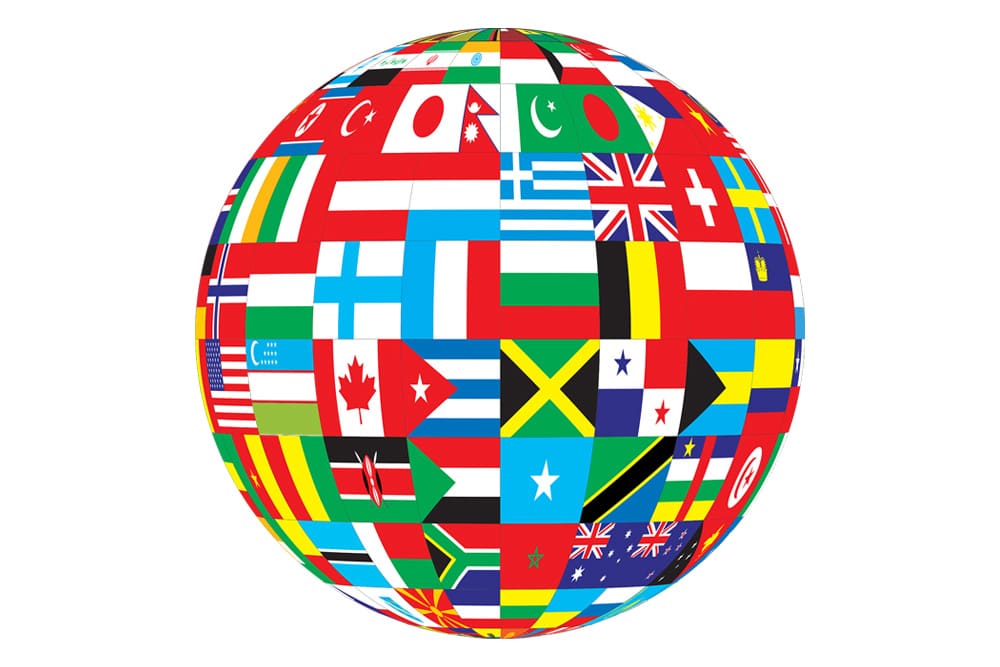
The anxiety caused by the problems facing the world is affecting many people. The young wonder if the planet will survive, and older people wonder what the world has come to and become depressed. The media images of the crises in so many locations create a world where fear and anxiety dominate. What is the point – some may say? We may as well live for today as there will be no tomorrow. This doesn’t help the situation as the rich get richer and fatter, and the poor starve to death.
If the world could unite instead of living as separate entities, the problems of the world would be lessened, and mental health issues may be alleviated by not worrying if your country is going to be nuked or involved in a global war.
The question arises: how can the world’s present problems be lessened?
The need for international cooperation and unity becomes increasingly critical in a world facing mounting global challenges, geopolitical tensions, and existential threats. The lack of unity among nations has hindered progress in addressing pressing issues such as climate change, economic inequality, and social divisions. Leaders and humanity must come together, transcend nationalist views, and foster a sense of unity that will enable us to overcome these challenges and create a better world.
The Problem of Nationalist Views: Hindrance to World Unity
One of the significant obstacles to achieving world unity is the prevalence of nationalist views. Nationalism, rooted in the belief that one’s nation is superior and should prioritise its interests above all else, creates divisions and hampers cooperation between countries. This mindset often leads to conflicts, protectionism, and the neglect of global issues.
To combat this problem, it is crucial to promote a shift in perspective that emphasises the interconnectedness of nations and the shared responsibility to address global challenges. Recognising that no country can thrive in isolation, leaders must work towards fostering a sense of global citizenship and cooperation.
Overcoming Separation Between Nations: The Path to Unity
The separation between nations, both politically and economically, further exacerbates the challenges faced by the world. The unequal distribution of resources and opportunities creates a breeding ground for conflicts and inequality. To overcome this separation, nations must work together to establish a more equitable world order that ensures the well-being of all people.
Economic Unity: Addressing the Root Cause
The root cause of many conflicts lies in the economic disparities between nations. The uneven distribution of wealth and resources perpetuates poverty and fuels tensions. By addressing economic inequality and promoting fair trade practices, nations can lay the foundation for unity and cooperation.
Efforts should be made to reform outdated economic systems that concentrate power and resources in the hands of a few. Instead, a more inclusive and sustainable approach should be adopted, where economic growth benefits all nations and reduces disparities.
Political Unity: Building Stronger International Institutions
International institutions such as the United Nations must evolve and adapt to the changing global landscape to foster world unity. The current structures, established after World War II, need to be reformed to reflect the realities of the contemporary world. This includes ensuring fair representation and decision-making power for all nations.
International cooperation should be strengthened to address global challenges effectively. This requires leaders to prioritise the common good over narrow national interests and work collaboratively towards shared goals. By building more vital international institutions and promoting multilateralism, nations can create a more cohesive and unified global community.
Cultural Unity: Embracing Diversity and Empathy
Cultural differences have often been a source of division between nations. However, embracing diversity and promoting cultural understanding can foster unity and cooperation. By recognising and appreciating the richness of different cultures, nations can overcome prejudices and build bridges of empathy and understanding.
Education is crucial in nurturing a global mindset and fostering cultural unity. Educational initiatives that promote intercultural dialogue and respect for diverse perspectives can equip future generations with the tools needed to build a more harmonious and inclusive world.
Leader’s Role in Creating World Unity
Leaders worldwide hold a significant responsibility in promoting world unity. They must rise above partisan politics and prioritise the greater good of humanity. By fostering dialogue, promoting cooperation, and championing international initiatives, leaders can set an example for their nations and inspire collective action.
Unity in Action: Addressing Global Challenges
Addressing global challenges requires leaders to collaborate and pool resources. Whether combatting climate change, eradicating poverty, or ensuring global health, no single nation can tackle these issues alone. Leaders must come together, set aside differences, and formulate collective strategies that benefit all.
Bridging Divides: Promoting Diplomacy and Dialogue
Diplomacy and dialogue are essential tools in bridging divides between nations. Leaders can find common ground and work towards mutually beneficial solutions by engaging in constructive and respectful conversations. Conflict resolution, peacebuilding, and diplomatic negotiations should be prioritised to prevent conflicts and foster lasting unity.
Leading by Example: Embracing Multilateralism
Leaders must lead by example and demonstrate their commitment to multilateralism. They can reinforce the importance of cooperation and unity by actively participating in international forums, engaging in diplomatic exchanges, and honouring international agreements. This includes supporting the United Nations and other global institutions that serve as platforms for dialogue and collective decision-making.
The Role of Humanity in Creating World Unity
Achieving world unity requires the collective effort of every individual. Each person has a role in fostering unity, promoting understanding, and breaking down barriers. It starts with recognising our shared humanity and embracing the diversity that enriches our world.
Cultivating Empathy and Compassion
Empathy and compassion are essential qualities that can bridge divides and foster unity. By seeking to understand and empathise with the experiences and perspectives of others, we can overcome prejudice and build connections based on shared values and aspirations.
Promoting Social Justice and Equality
Social justice and equality are fundamental pillars of world unity. Individuals can advocate for equitable policies, challenge systemic injustices, and support initiatives that address social inequalities. We can create a more just and united world by promoting inclusivity and equal opportunities.
Engaging in Dialogue and Collaboration
Every person can contribute to world unity through dialogue and collaboration. We can create positive change by engaging in meaningful conversations, sharing ideas, and working together towards common goals. Technology and social media platforms provide global engagement and collaboration opportunities, enabling individuals to connect and amplify their voices.
Conclusion: A Unified World for a Better Future
The challenges faced by our world require collective action and unity between nations and individuals. Overcoming the problems of nationalist views and the separation between nations is crucial for creating a better future. We can build a more inclusive, equitable, and peaceful world by promoting economic unity, political cooperation, cultural understanding, and empathy. Leaders and every individual are responsible for embracing world unity and working towards a future where our shared humanity triumphs over divisions. Together, we can create a world that values cooperation, justice, and harmony for the benefit of all.
Liz McCaughey & AM Team
MsC., MoC. Member of: ACA, BACP
Further Articles like this:
Please refer to the AM articles page for Liz and the AM Team articles.
Please complete the AMindset intake form to start therapy with an AM team member. Our therapists offer a FREE 20-minute introductory session for new clients.
If you are not quite ready, please click here to subscribe to the AMindset Newsletter with articles and podcasts to learn more about your mental health and how AM can help you.
Disclaimer: This article is for informational purposes only and is not a substitute for professional medical advice, diagnosis, or treatment. Always seek the advice of your physician or qualified mental health provider with any questions you may have regarding a medical condition.

 : Executive Coach & Leadership Consultant