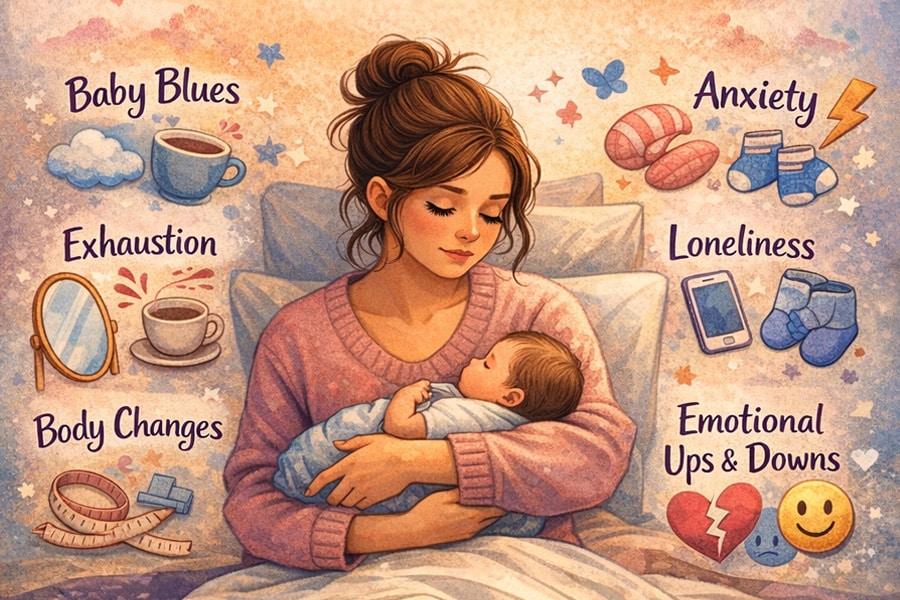
Introduction to the Postpartum Journey
Welcoming a newborn into the world is a transformative experience filled with joy, anticipation, anxiety, and a host of new responsibilities. And for mothers, it also becomes a path filled with both difficulties and rewards. The postpartum phase, often referred to as the fourth trimester, is a critical period that requires a balanced approach to both physical recovery and mental well-being.
In this article, we will look into the complexities of the postpartum experience. We aim to shed light on the various challenges new mums encounter during this phase of life. By understanding these challenges, we can better equip ourselves to manage them effectively and take care of our mental health.
Addressing these issues head-on, the aim is to give new mums the information and tools to go through the postpartum journey with strength and self-assurance. Let’s take a closer look at the details of what this phase can involve and delve into some of the possible nuances of the postpartum experience.
Understanding Postpartum Challenges
The postpartum period brings with it a myriad of challenges, both physical and emotional. It’s essential to recognize that every mum’s experience is unique, and there is no one-size-fits-all approach to navigating this stage. Understanding postpartum challenges is the first step in overcoming them and ensuring a healthy transition into motherhood.
Common challenges include physical recovery from childbirth, adjusting to a new routine, and coping with sleep deprivation. These factors can significantly impact our mental health and overall well-being. It’s crucial to acknowledge these challenges and approach them with compassion and patience.
Additionally, many new mums experience feelings of isolation, self-doubt, and anxiety during the postpartum period. Understanding these emotional challenges can help us better support ourselves and seek the necessary help when needed. Remember, acknowledging the difficulties is not a sign of weakness but a step towards healing and growth.
The Impact of Postpartum on Mental Health
The impact of the postpartum period on mental health is profound and multifaceted. As we navigate this new phase of life, it’s essential to be aware of the changes that can occur in our mental and emotional well-being. Postpartum depression and anxiety are everyday experiences that many new mums face, yet they are often stigmatised and misunderstood.
These misconceptions can arise from a variety of reasons, and they show in various ways such as:
- Lack of Awareness: Many people view postpartum issues as a sign of personal weakness or failure, rather than recognising them as medical conditions. This can lead to feelings of shame for new mothers who are struggling, making them hesitant to seek help.
- Misconceptions about Motherhood: Society often perpetuates the idea that motherhood should be a blissful experience. When new mothers express feelings of sadness or anxiety, they may be met with disbelief or dismissal, reinforcing the stigma that they are not “living up” to the ideal of motherhood.
- Stereotypes and Isolation: The stigma surrounding mental health issues can lead to isolation. New mothers may fear judgment from peers, family, or healthcare providers, making them reluctant to share their struggles or seek support. This can exacerbate feelings of loneliness and worsen their condition.
- Inadequate Support Systems: Some healthcare systems do not adequately address postpartum mental health, leading to a lack of resources and support. This can make it difficult for mothers to find help, further perpetuating the stigma that these feelings are something they should manage alone.
At the same time, the reality is that postpartum depression affects approximately 10-15% of new mothers and can manifest as feelings of sadness, hopelessness, and a lack of interest in activities once enjoyed. It’s important to be very clear about the fact that these feelings are not a reflection of one’s ability as a mother, nor a sign of her weakness or lack of gratitude for being blessed with a newborn, but an existing issue that can lead to a medical condition, requiring adequate attention and care.
New moms may also experience anxiety during postpartum. This can manifest as intense worry, being on edge, or having difficulty focusing. Some of these anxieties typically stem from the uncertainties that accompany an entirely new situation, while others are rooted in the practical problems that young families face. These are typical anxieties during the postpartum period:
- Fear of Inadequacy: Worries about not being a good enough mother can lead to feelings of inadequacy, especially when comparing oneself to others or societal expectations.
- Health Concerns for the Baby: New mothers often feel anxious about their baby’s health, including worries about feeding, sleeping, and developmental milestones.
- Sleep Deprivation: The lack of sleep can create anxiety about not being able to function properly, leading to fears of making mistakes in parenting.
- Changing Relationships: Concerns about how motherhood will impact relationships with partners, family, and friends can create anxiety about social support and connection.
- Loss of Identity: Many young mothers experience anxiety related to the feeling of losing their individual identity and personal goals as they navigate their new roles.
- Financial Stress: Worries about the financial implications of raising a child, including costs for baby supplies, healthcare, and potential loss of income, can be a significant source of anxiety.
- Judgment from Others: Fear of being judged by family, friends, or strangers regarding parenting choices can lead to heightened anxiety and self-doubt.
- Postpartum Health: Anxiety about experiencing postpartum depression or anxiety itself can create a cycle of worry, making it harder to cope with existing challenges.
To reflect on what causes worries can help to seek the right support and treatment. It also enables us to learn more about them and realise that they are very valid and common worries rather than signs of inadequacy to motherhood. It is furthermore vital to take them seriously in order to grasp how these conditions influence mental health. Talking about postpartum mental health can be a first step on the path to make these topics look normal and pushes to improve support systems.
Common Experiences of Postpartum Women
Experiencing a range of emotions and physical changes is a normal part of the postpartum journey. It is important to be aware of common signs and experiences so we can better understand what to expect and when to seek assistance.
Some of the most common symptoms include mood swings, irritability, and fatigue. These can be attributed to hormonal fluctuations and the body’s recovery process. Additionally, many new mums report experiencing a lack of sleep, which can exacerbate feelings of exhaustion and impact overall mental health.
It’s also common for new mums to feel overwhelmed by the demands of caring for a newborn while managing job requirements or household responsibilities or both. Feelings of inadequacy or guilt may arise, and again it’s vital to remember that these experiences are shared by many and support is available. By understanding these symptoms and experiences, we can approach the postpartum period with greater empathy and preparedness.
Discovering Effective Coping Strategies
Finding effective coping strategies is essential for managing the challenges of the postpartum period. Every mum’s journey is different, and what works for one person may not work for another. However, several strategies can help alleviate stress and promote emotional well-being.
- Self-Care: Prioritising self-care is crucial. This could involve setting aside time for activities that bring joy and relaxation, such as reading, taking a walk, or engaging in a hobby. Remember, self-care is not selfish; it’s necessary for maintaining mental health.
- Mindfulness and Meditation: Practising mindfulness and meditation can help calm the mind and reduce anxiety. Taking a few moments each day to focus on the present can improve mental clarity and emotional balance.
- Seeking Professional Help: Don’t hesitate to seek professional help if you’re struggling. Therapists and counsellors specialising in postpartum issues can provide invaluable support and guidance.
By incorporating simple coping strategies into our daily routine and recognising that support can be sought at any time, we can cultivate resilience and better manage the challenges.
The Importance of Support Networks
Support networks play a vital role in the postpartum experience. They offer emotional comfort, practical help, and a feeling of belonging. Connecting with people who have experienced and therefore understand motherhood can make a significant difference. Peers can open up new perspectives on how to deal with challenges and give some hands-on support when we feel overwhelmed.
Family and friends are often the first line of support. Don’t hesitate to ask for help with tasks such as cooking, cleaning, or babysitting. Sharing responsibilities can alleviate some of the pressures of new motherhood.
Additionally, joining support groups or online communities can provide a space to share experiences and gain insights from other mums. These connections help reduce feelings of isolation and foster a sense of belonging. By leaning on our support networks, we can navigate the postpartum period with greater confidence and ease.
Normalising Mental Health Discussions
Normalising discussions around mental health is crucial in addressing the challenges faced by postpartum women. By breaking the silence and stigma that is sometimes still surrounding mental health, we can create an environment where new mums feel comfortable seeking help and sharing their experiences.
Open conversations about postpartum depression, anxiety, and other mental health issues can lead to greater understanding and empathy. It’s essential to educate ourselves and others about the realities of mental health, not exclusively but especially during the postpartum period.
To promote acceptance and reduce stigma, we can also encourage open dialogue within families, communities, and healthcare settings. By normalising mental health discussions, we can foster a culture of support and understanding for all community members.
Empowering Yourself Through Knowledge and Resources
A key component of navigating the postpartum journey is gearing up with knowledge and resources. If we develop a comprehensive understanding of the challenges and available support systems, it can help us make informed decisions and take proactive steps towards achieving well-being.
Educational resources, including books, articles, and online courses, can offer valuable insights into postpartum health and wellness. Additionally, healthcare providers can provide guidance and tailored support to individual needs.
It’s also important to be aware of local and national resources, such as helplines and support groups, that can offer assistance when needed. By equipping ourselves with knowledge and resources, we can approach the postpartum period with confidence and resilience.
Building Resilience and Emotional Wellness
Building resilience and emotional wellness is an ongoing process that requires intentional effort and self-compassion. The postpartum period is a time of significant change, and cultivating resilience can help us navigate this transition with strength and grace.
Developing a positive mindset is an important aspect of building resilience.
But how can we do that? Here are some suggestions:
- Celebrate Small Victories: Getting up and completing your daily routines, providing the needed care for the baby, like feeding and soothing it, but also reaching out to members of your social network can be valuable achievements to be proud of. It can as well be taking some time for yourself to do something you enjoy without feeling guilty about it.
- Practice Ǵratitude: Keep a gratitude journal for things you are grateful for each day, or try to find some quiet moments to reflect on positive things. You can as well consider creating a jar to drop in notes about what you are thankful for. Over time, you can read them to remind yourself of the positives in your life.
- Acknowledging Personal Growth: Regularly reflect on progress you are making in coping with the challenges of the situation, share your challenges and successes with friends or support groups and celebrate when you achieve personal goals, no matter how small they might be. This could include goals related to self-care, mental health, or parenting techniques. Acknowledge these milestones as part of your journey.
Focusing on small victories practicing gratitude and acknowledging personal growth can help shift perspective and promote emotional well-being. When we cultivate our emotional wellness, this involves prioritizing self-care, setting realistic expectations, and maintaining open communication with loved ones. By building resilience and emotional wellness, we can thrive during the postpartum period and beyond for the sake of ourselves but also for our loved ones..
Conclusion and Call to Action for New Mums
As we conclude our exploration of the postpartum journey, it’s essential to recognize the strength and resilience of new mums everywhere and to remember not to take that for granted. The challenges faced during this period are significant, and only with understanding, support, and empowerment can we successfully navigate them.
Let’s address the realities of postpartum depression, anxiety, and the feeling of losing oneself to fight stigmatisation. By advocating for open conversations and for normalising the idea of seeking support, we are creating a more inclusive and compassionate environment that everybody can profit from.
It is essential to remember that no one has to face motherhood alone. Together, we can support one another and build a community that values mental health and well-being. Embrace the journey with confidence, and know that you have the strength to overcome any challenge.

 : Executive Coach & Leadership Consultant