Understanding burnout in the counselling, psychotherapy, and psychology fields
As a mental health professional, you have dedicated your career to helping others navigate the complexities of the human mind and emotional well-being. However, the very nature of your work can take a toll on your own mental and physical health if not properly managed. Burnout, a state of emotional, physical, and mental exhaustion caused by excessive and prolonged stress, is a genuine concern in the counselling, psychotherapy, and psychology fields.
Burnout can manifest in various ways, including feelings of cynicism, detachment from your work, and a diminished sense of personal accomplishment. It can lead to physical symptoms such as fatigue, headaches, and digestive issues, as well as emotional distress, anxiety, and depression. Recognizing the signs of burnout is crucial for maintaining your well-being and providing the best possible care for your clients.
In the demanding world of mental health services, it is essential to prioritise self-care practices that can help prevent burnout and promote overall well-being. By taking proactive steps to safeguard your mental and emotional health, you can ensure that you are equipped to handle the challenges of your profession while maintaining a fulfilling and sustainable career.
The importance of self-care for mental health professionals
As a mental health professional, you are intimately familiar with the importance of self-care for your clients. However, it is equally crucial to apply these principles to your own life. Self-care is not a luxury; it is a necessity for maintaining your mental, emotional, and physical well-being, which directly impacts your ability to provide effective and compassionate care to those you serve.
Neglecting self-care can lead to burnout, compassion fatigue, and a decreased capacity to empathize and connect with your clients. By prioritising self-care practices, you not only improve your own well-being but also enhance the quality of your professional interactions and the outcomes for those you support.
Engaging in self-care activities can help you manage stress, replenish your emotional reserves, and maintain a healthy work-life balance. Whether it’s engaging in physical exercise, practicing mindfulness techniques, or simply taking time for leisure activities, self-care is an essential component of a sustainable and rewarding career in the mental health field.
Recognizing the signs of burnout in yourself
Burnout can creep up gradually, making it challenging to recognise the signs until it has already taken a significant toll. As a mental health professional, it is crucial to be attuned to the potential indicators of burnout within yourself. By recognising these signs early, you can take proactive steps to address the issue and prevent further deterioration of your well-being.
Some common signs of burnout to watch out for include:
- Emotional Exhaustion: Feeling drained, depleted, and lacking the emotional resources to cope with daily demands.
- Cynicism and Detachment: Developing a negative or callous attitude towards your work or clients, and feeling disconnected from the meaning and purpose of your profession.
- Reduced Professional Efficacy: Experiencing a diminished sense of accomplishment and feeling ineffective or incompetent in your role.
- Physical Symptoms: Experiencing physical manifestations such as fatigue, headaches, digestive issues, or sleep disturbances.
- Cognitive Impairment: Struggling with concentration, memory, and decision-making abilities.
- Interpersonal Challenges: Experiencing difficulties in maintaining healthy relationships with colleagues, clients, or loved ones.
By being mindful of these signs, you can take proactive steps to address burnout before it becomes overwhelming. Remember, recognising and addressing burnout is not a sign of weakness; it is a necessary step in maintaining your well-being and providing the best possible care for your clients.
Preventative burnout strategies for counsellors, psychotherapists, and psychologists
Preventing burnout is a proactive approach that requires intentional effort and commitment. By implementing effective strategies, you can safeguard your mental and emotional well-being, ensuring that you can continue to provide high-quality care to your clients while maintaining a fulfilling and sustainable career. Here are some preventative burnout strategies to consider:
- Establish Boundaries: Setting clear boundaries between your professional and personal life is crucial. This may involve limiting work hours, avoiding taking work home, or establishing a policy for not responding to work-related communications during non-work hours.
- Practice Self-Compassion: Recognise that perfection is unattainable, and treat yourself with the same kindness and understanding you would extend to a client. Cultivate self-acceptance and avoid harsh self-criticism.
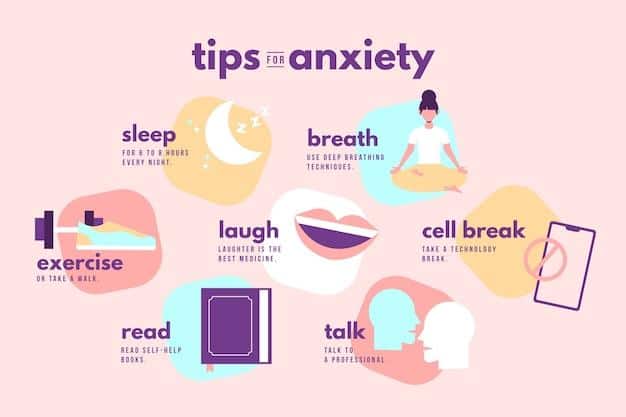
- Engage in Regular Self-Care Activities: Identify activities that nourish your mind, body, and soul, and make them a priority in your routine. This could include exercise, meditation, creative pursuits, or simply spending time in nature.
- Seek Professional Support: Don’t hesitate to seek support from a therapist or counsellor yourself. Having an objective third party to process your experiences and emotions can be invaluable in managing stress and preventing burnout.
- Foster Supportive Relationships: Build and maintain a strong support network of colleagues, friends, and loved ones who can provide encouragement, understanding, and a listening ear when needed.
- Prioritise Work-Life Balance: Make conscious efforts to balance your professional responsibilities with personal interests and relationships. Ensure that you have dedicated time for activities and connections outside of work.
- Pursue Continuing Education: Engage in ongoing professional development opportunities to expand your knowledge and skills, reigniting your passion for your work and fostering a sense of growth and accomplishment.
By implementing these preventative strategies, you can proactively address the potential contributors to burnout and cultivate a sustainable and fulfilling career in the mental health field.
Creating a self-care plan for personal well-being
Developing a personalised self-care plan is a crucial step in preventing burnout and promoting overall well-being. A self-care plan is a structured approach to incorporating various self-care practices into your routine, tailored to your unique needs and preferences. Here’s how you can create an effective self-care plan:
- Conduct a Self-Assessment: Begin by reflecting on your current state of well-being, identifying areas of strength and areas that require more attention. Consider your physical, emotional, mental, and spiritual needs.
- Identify Self-Care Activities: Make a list of activities that nourish and rejuvenate you in each of these areas. This could include physical exercise, mindfulness practices, creative outlets, social connections, or spiritual practices.
- Prioritise and Schedule: Prioritise the self-care activities that resonate most with you and schedule them into your weekly or monthly routine. Treat these activities as non-negotiable appointments with yourself.
- Incorporate Variety: Incorporate a variety of self-care activities to prevent monotony and ensure that you are addressing multiple aspects of your well-being.
- Evaluate and Adjust: Regularly evaluate the effectiveness of your self-care plan and make adjustments as needed. Your needs and preferences may change over time, and your self-care plan should reflect those changes.
- Seek Accountability: Consider enlisting the support of a trusted friend, colleague, or mentor to help you stay accountable to your self-care plan. Having someone to check in with can provide motivation and encouragement.
Remember, creating a self-care plan is an ongoing process, and it may take some experimentation to find the right combination of activities that work best for you. Be patient and compassionate with yourself, and celebrate the small victories along the way.
Call to Action: Take the first step towards prioritising your well-being by creating a personalized self-care plan today. Commit to scheduling regular self-care activities and treating them with the same importance as your professional responsibilities. Your long-term success and well-being in the mental health field depend on it.
Setting boundaries and managing workload in private practice
For mental health professionals in private practice, setting boundaries and managing workload can be particularly challenging. Without the structure and support of an organizational setting, it’s easy to fall into the trap of overworking and neglecting self-care. Here are some strategies to help you maintain a healthy work-life balance in your private practice:
- Establish Clear Office Hours: Set specific hours when you are available for client appointments and administrative tasks. Communicate these hours clearly to your clients and colleagues, and avoid scheduling appointments outside of these designated times.
- Limit Client Load: Be mindful of the number of clients you take on and ensure that your caseload is manageable without compromising the quality of care you provide or your own well-being.
- Implement a Cancellation Policy: Establish a clear cancellation policy that allows you to manage your time effectively and avoid last-minute disruptions to your schedule.
- Batch Administrative Tasks: Rather than addressing administrative tasks as they arise, set aside dedicated time blocks for tasks such as returning phone calls, responding to emails, and completing documentation.
- Prioritise Self-Care Time: Block off time in your schedule for self-care activities, such as exercise, meditation, or leisure pursuits. Treat these appointments with the same importance as client sessions.
- Seek Support and Collaboration: Consider joining a professional network or peer support group to share resources, advice, and accountability with fellow mental health professionals in private practice.
- Learn to Say No: Practice setting boundaries by politely declining requests or commitments that would compromise your well-being or stretch you beyond your capacity.
By implementing these strategies, you can establish a healthy work-life balance, manage your workload effectively, and prioritise self-care, even in the demanding environment of private practice.
The role of regular check-ins on yourself and seeking support
Regular self-check-ins and seeking support are essential components of preventing burnout and maintaining well-being in the mental health field. As a mental health professional, you are trained to support others, but it’s equally important to prioritise your own mental and emotional well-being.
Conducting regular self-check-ins involves taking a step back and assessing your current state of mind, emotional reserves, and overall well-being. This can be done through journaling, mindfulness practices, or simply taking a few moments to pause and reflect. By regularly checking in with yourself, you can identify potential signs of burnout or stress before they become overwhelming.
In addition to self-check-ins, seeking support from others is crucial. This can take various forms, such as:
- Peer Support Groups: Joining a peer support group with fellow mental health professionals can provide a safe and understanding space to share experiences, challenges, and coping strategies.
- Professional Supervision or Consultation: Engaging in regular supervision or consultation with a more experienced professional can offer valuable guidance, feedback, and support in navigating complex cases or personal challenges.
- Personal Therapy: Seeking personal therapy can be incredibly beneficial for mental health professionals. Having a dedicated space to process your own emotions, experiences, and challenges can help you maintain emotional well-being and prevent burnout.
- Mentorship Programs: Participating in mentorship programs, either as a mentor or mentee, can foster valuable connections, knowledge-sharing, and support within the mental health community.
- Support from Loved Ones: Building and maintaining a strong support system of friends and family members who understand the demands of your profession can provide a much-needed source of emotional support and encouragement.
Remember, seeking support is not a sign of weakness; it is a proactive step in ensuring your long-term well-being and effectiveness as a mental health professional. By regularly checking in with yourself and accessing support resources, you can cultivate resilience, prevent burnout, and maintain a sustainable and fulfilling career.
Essential tools and resources for self-care in the mental health field
In the demanding field of mental health, having access to essential tools and resources for self-care can make a significant difference in preventing burnout and promoting overall well-being. Here are some valuable tools and resources to consider:
- Self-Care Apps and Online Resources: Numerous apps and online platforms offer guided meditations, mindfulness exercises, and self-care tracking tools. Examples include Calm, Headspace, and Self-Care Tracker.
- Professional Development Opportunities: Attending workshops, conferences, or continuing education courses can provide opportunities for learning, networking, and reigniting your passion for your work.
- Mental Health Directories: Directories such as Psychology Today or GoodTherapy can help you locate mental health professionals in your area for personal therapy or consultation.
- Self-Care Books and Podcasts: Explore self-care books, audiobooks, and podcasts that offer insights, strategies, and inspiration for maintaining well-being in the mental health field.
- Online Support Groups and Communities: Joining online support groups or communities can provide a sense of connection and shared experiences with fellow mental health professionals.
- Wellness Retreats or Workshops: Participate in wellness retreats or workshops specifically designed for mental health professionals, offering opportunities for self-reflection, skill-building, and rejuvenation.
- Employee Assistance Programs (EAPs): If you work in an organizational setting, take advantage of any Employee Assistance Programs (EAPs) that provide confidential counselling, resources, and support services.
- Mindfulness and Meditation Apps: Explore apps like Insight Timer, Simple Habit, or Calm for guided meditations, breathing exercises, and mindfulness practices tailored for busy professionals.
- Fitness and Nutrition Resources: Prioritise your physical well-being by exploring fitness apps, online workout programs, or nutrition resources that align with your goals and preferences.
- Professional Associations and Networks: Join professional associations or networks in your field, which often provide access to valuable resources, continuing education opportunities, and supportive communities.
By incorporating these tools and resources into your self-care routine, you can cultivate a well-rounded approach to maintaining your mental, emotional, and physical well-being, enabling you to thrive in your career while preventing burnout.
Self-care techniques specific to social service professionals
As a social service professional, you face unique challenges and demands in your work, often dealing with complex social issues, trauma, and systemic barriers. Practicing self-care is essential to prevent burnout, compassion fatigue, and vicarious trauma. Here are some self-care techniques specifically tailored for social service professionals:
- Boundary Setting: Establish clear boundaries between your professional and personal life. This may involve limiting work hours, avoiding taking work home, or setting boundaries around responding to work-related communications outside of designated hours.
- Debriefing and Processing: Engage in regular debriefing sessions with colleagues or supervisors to process difficult cases, share experiences, and receive support. This can help prevent the accumulation of emotional stress and trauma.
- Vicarious Trauma Awareness: Educate yourself on the signs and symptoms of vicarious trauma, which can occur when repeatedly exposed to traumatic stories or experiences. Seek professional support if you notice symptoms such as intrusive thoughts, nightmares, or emotional numbing.
- Self-Compassion Practices: Cultivate self-compassion by treating yourself with kindness, understanding, and patience. Recognise that you are doing challenging work, and it’s normal to experience emotional reactions or struggles.
- Creative Outlets: Engage in creative activities such as art, writing, or music as a form of self-expression and emotional release. These activities can provide a healthy outlet for processing emotions and experiences.
- Mindfulness and Grounding Techniques: Practice mindfulness and grounding techniques, such as deep breathing exercises, body scans, or visualization exercises, to help manage stress and stay present in the moment.
- Peer Support Networks: Build and maintain a strong network of peers who understand the unique challenges of social service work. This can provide a sense of community, validation, and shared understanding.
- Self-Care Rituals: Develop self-care rituals or routines that help you transition from work to personal time. This could include activities like taking a walk, listening to music, or engaging in a relaxing hobby.
- Continuing Education and Professional Development: Pursue ongoing learning opportunities to expand your knowledge, skills, and perspectives, which can help prevent burnout and reignite your passion for your work.
- Advocacy and Social Action: Engage in advocacy or social action efforts that align with your values and the causes you care about. This can provide a sense of purpose and contribute to positive change, counterbalancing the challenges of your work.
Remember, self-care is not a luxury; it’s a necessity for social service professionals. By prioritising these self-care techniques, you can maintain your well-being, prevent burnout, and continue to make a meaningful impact in the lives of those you serve.
Conclusion: Prioritising self-care for long-term success and well-being in the field of mental health
As a mental health professional, your work is invaluable, and your dedication to supporting others is commendable. However, it is crucial to recognize that prioritising your own self-care is not only essential for your personal well-being but also directly impacts the quality of care you provide to your clients.
Throughout this comprehensive guide, we have explored the importance of self-care, recognised the signs of burnout, and provided preventative strategies, self-care planning techniques, boundary-setting approaches, and essential tools and resources. We have also delved into self-care techniques specific to social service professionals, acknowledging the unique challenges you face in your work.
By implementing these self-care practices, you can cultivate resilience, maintain
 : Executive Coach & Leadership Consultant